Customizing a Personal Care Routine for Aging Skin: Addressing Changing Needs! Skin evolves naturally over time, reflecting both internal processes and external influences. As years pass, collagen production gradually decreases, moisture retention weakens, and the skin barrier becomes more delicate. These changes do not mean skin health declines, but they do require thoughtful adjustments in daily routines. A personalized approach helps maintain comfort, resilience, and radiance while respecting the natural aging process.
By understanding how aging skin behaves and adapting personal care habits accordingly, individuals can support long term balance and confidence.
Understanding How Skin Changes Over Time
Aging skin typically becomes thinner and less elastic because structural proteins develop more slowly. Natural oil production often decreases, leading to dryness and sensitivity. Fine lines may become more visible when hydration levels fluctuate. External factors such as climate, sun exposure, and lifestyle habits also influence how quickly these changes appear.
Rather than attempting to reverse time, effective care focuses on supporting the skin’s protective barrier and maintaining consistent hydration. This approach preserves comfort and helps the skin function optimally. Many skincare professionals and product resources such as Glowfills provide guidance on maintaining balanced routines that support healthy skin.
Specialized skincare formulations and cosmetic resources offered through global beauty suppliers like Blush Korea also highlight how carefully developed products can support evolving skincare needs.
Gentle Cleansing as a Foundation
Harsh cleansing can remove protective oils that aging skin relies on. Switching to mild cleansers helps maintain moisture balance while still removing daily impurities. Lukewarm water works better than hot water because it prevents unnecessary dryness.
Cleansing once or twice daily is usually sufficient. Over cleansing may lead to tightness or irritation, while balanced cleansing maintains smooth texture.
Importance of Hydration
Hydration is one of the most important aspects of caring for aging skin. Moisturizers help retain water within the outer layer, reducing the appearance of fine lines caused by dryness. Applying hydration products while the skin is slightly damp improves absorption and effectiveness.
Consistent hydration supports flexibility and comfort throughout the day. Using slightly richer textures at night helps maintain moisture levels during rest.
Supporting the Skin Barrier
The skin barrier protects against environmental stress. As it becomes more delicate with age, strengthening it becomes essential. Avoiding overly abrasive exfoliation helps prevent micro irritation. Gentle care preserves the protective layer and reduces sensitivity.
Barrier supportive routines improve resilience and reduce fluctuations in texture.
Adapting Exfoliation Practices
Exfoliation removes buildup but must be approached carefully. Gentle and less frequent methods prevent disruption of the surface. Instead of focusing on intensity, consistency at a mild level produces smoother results.
Balanced exfoliation encourages renewal while maintaining comfort.
Sun Protection and Environmental Awareness
Aging skin is more sensitive to environmental exposure. Protective measures help maintain even tone and reduce additional stress. Covering exposed areas and avoiding prolonged direct exposure supports long term stability.
Protection is a daily habit rather than a seasonal step.
Caring for the Eye and Neck Areas
Certain areas are naturally thinner and require extra attention. Applying products gently without pulling preserves elasticity. Light tapping motions improve comfort and distribution.
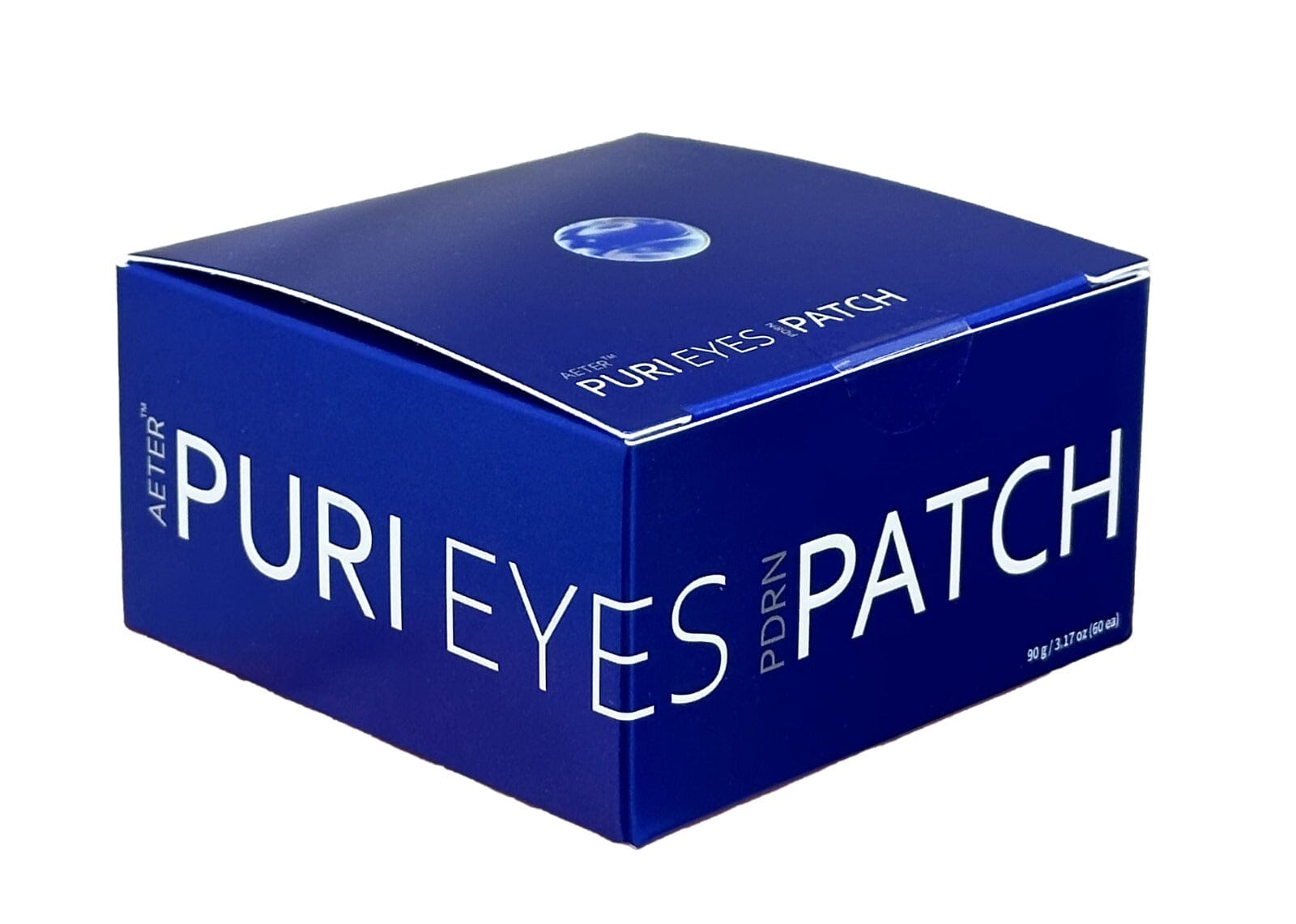
Regular care helps maintain a rested appearance and prevents dryness in delicate regions.
Adjusting Makeup Application
Heavy cosmetic layers may emphasize texture. Lightweight application and careful blending produce a smoother finish. Preparing the skin with hydration before applying cosmetics improves appearance and comfort.
Simple techniques enhance natural features rather than masking them.
Lifestyle and Daily Habits
Healthy routines complement topical care. Adequate rest, balanced hydration, and reduced stress support skin resilience. Small daily habits contribute significantly to overall appearance and comfort.
Consistency matters more than complexity in maintaining results.
Monitoring Changes
Skin continues to evolve over time. Periodically reassessing routines ensures they remain suitable. Introducing changes gradually allows the skin to adapt without irritation.
Awareness encourages proactive care rather than reactive correction.
Emotional Benefits of Personalized Care
Adapting routines fosters acceptance and confidence. Viewing aging as a natural transition rather than a problem encourages positive self perception. Thoughtful care supports both appearance and emotional well being.
Confidence grows when routines feel supportive rather than corrective.
Final Thoughts
Customizing a personal care routine for aging skin involves understanding changing needs and responding with gentle, consistent habits. By focusing on hydration, protection, and balanced care, individuals can maintain comfort and resilience over time.
Thoughtful adjustments transform daily routines into supportive practices that promote long term skin health and confidence.